You’ve seen the same portable charger three times this week. Same brushed silver casing. Same “20,000mAh Fast Charge” headline. A different ad each time: a man charging three phones on a mountain trail, a woman staring at a dead phone in an airport lounge, a countdown clock announcing the discount ends in four hours.
You already own two power banks. Both work. Neither has ever actually died on you mid charge.
And yet, on a Tuesday night, for no clear reason, you watch a twelve minute YouTube review of the exact model the ads keep showing you. You read the comments. You compare mAh ratings you don’t fully understand, for a charger you don’t need.
Somewhere in those twelve minutes, without noticing the moment it happened, you already decided to buy it. Everything you did after that wasn’t research. It was a defense being built for a verdict that had already been reached.
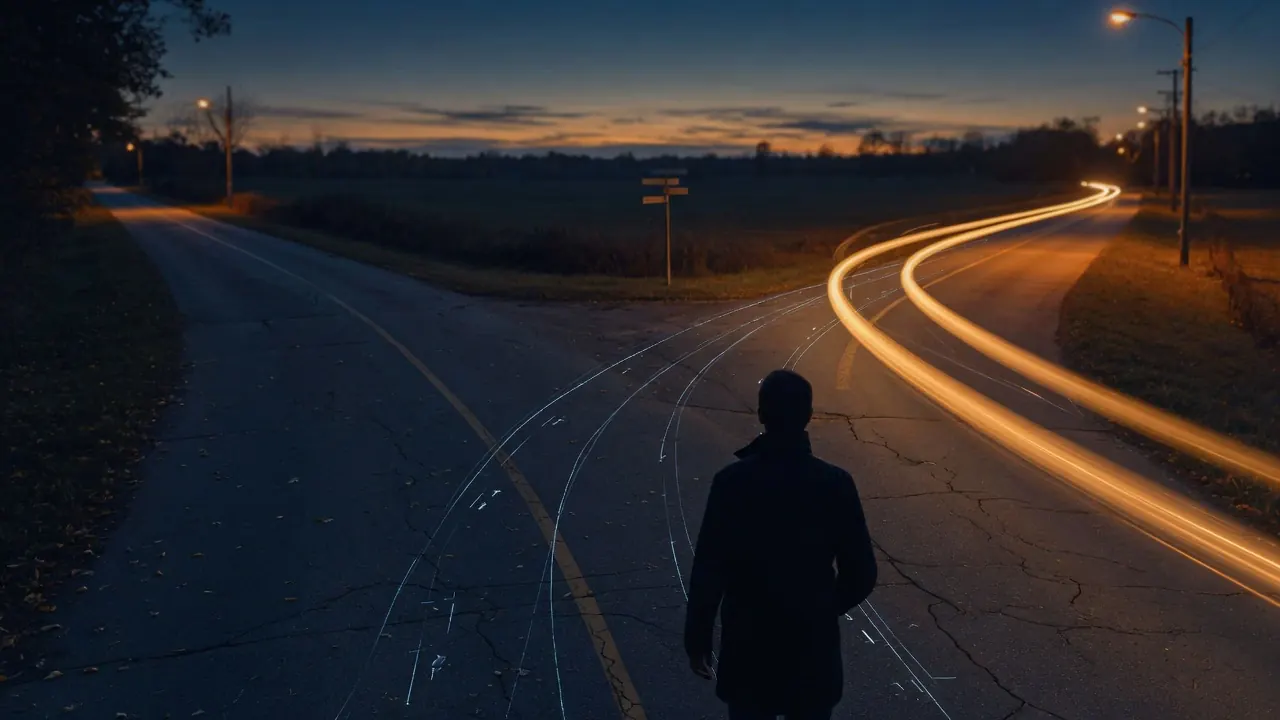
This isn’t really a story about a powerbank. It’s a story about how almost none of your decisions work the way you assume. You think reason comes first and the choice follows. Usually, it’s the other way around.
The Reviewer Who Arrives Late
The moment you first saw the ad and felt that small, quiet pull, that was fast. Automatic. Done before you were even aware a decision was being made.
The twelve minute review came later. So did the spec comparisons. That part of your mind felt like it was in charge: careful, weighing evidence. It wasn’t. It showed up after the party had already started, and spent its time finding reasons to approve a decision it never made.
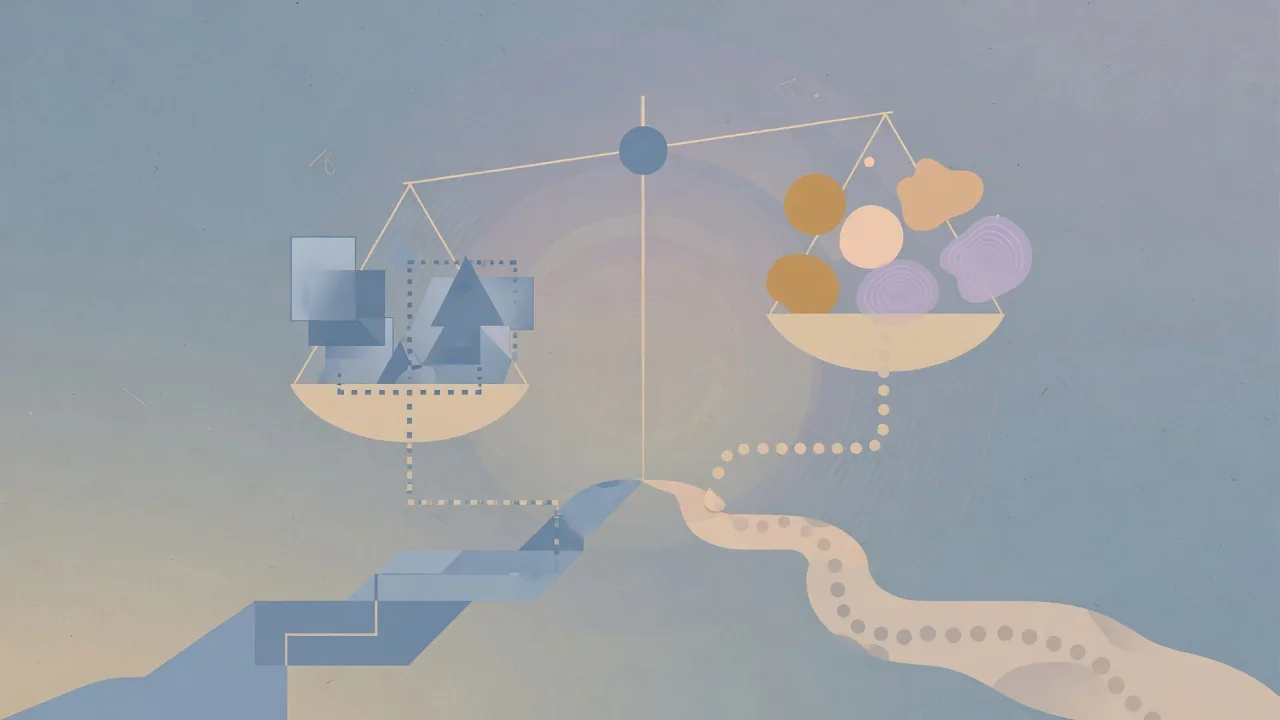
Daniel Kahneman spent a career studying this split, what he called System 1 (fast, automatic) and System 2 (slow, deliberate). His finding wasn’t that System 2 is weak. It’s that System 2 rarely gets called in to decide. Mostly, it gets called in to agree.
This is why “just think about it more” so rarely changes anyone’s mind, about a purchase, a relationship, a grudge. More thinking usually just produces better arguments for what you already wanted.
Why Total Logic Goes Nowhere
Here’s the part that sounds backwards: that small pull wasn’t getting in the way of a clear decision. It was the only reason you were capable of making one at all.
Neuroscientist Antonio Damasio studied patients with damage to the brain’s emotional centers. Their logic was intact. Their memory was intact. Their IQ tested completely normal. But sit them in front of an ordinary choice, like which restaurant to book, and they could weigh every option for an hour with total clarity, and never actually choose. Without a feeling attached to the options, nothing separated one from another. Every choice looked equally reasonable, which meant none of them did.
You need that small pull toward the powerbank, or the trip, or the job offer, for the same reason. It isn’t noise interfering with a good decision. It’s the thing that makes deciding possible in the first place.
The Story You Tell Afterward
The charger arrives. You use it twice. It’s basically identical to the two already sitting in your drawer.
A week later, a friend asks about it, and you hear yourself say it charges noticeably faster, that it’s actually been useful, that you’re glad you got it.
Nobody forced you to say that. Your mind did it on its own, because it has a stronger need for consistency than it does for truth. Psychologists Carol Tavris and Elliot Aronson spent an entire book studying this exact pattern, in relationships, politics, courtrooms, and shopping carts. Once a choice is made, especially one that cost you something (time, money, the quiet admission that you didn’t need it), the mind gets to work defending it. Not because the defense is accurate. Because defending it is cheaper than admitting the mistake.
The bigger the cost of a decision, the harder the mind works to protect it. Small purchases get small stories. Big life choices get elaborate ones.
A Very Old Alarm
Why did the ad even work on you in the first place?
Underneath the marketing, it’s tapping wiring far older than phones. For most of human history, missing a real threat, or a real opportunity, cost far more than a false alarm did. A rustle in the grass was worth treating as a predator, even if ninety nine times out of a hundred it was just wind, because the hundredth time mattered more than all the others combined.
That wiring never got an update. It just changed jobs. “Only 3 left in stock.” “Sale ends in 4 hours.” “1,204 people are viewing this item.” None of it is about the powerbank. It’s a fire alarm from a hundred thousand years ago, going off over a battery pack.
Reason, the Hired Help
By the time you’re comparing charge speeds and reading reviews, it feels like you’re being rational. Gathering facts. Weighing evidence. Making a smart choice.
The philosopher David Hume would have pushed back on that story. In 1739, he wrote that reason is, and ought only to be, the slave of the passions. His point wasn’t that logic is useless. It was that logic never picks the destination. It only plans the route.
The wanting arrives first, quietly, before you’re even aware of it. Logic’s entire job is finding the smartest way to get there, and it’s very good at that job. What it cannot do is tell you where “there” is. That was decided before logic ever clocked in.
The Only Real Choice
None of this means the powerbank was a mistake. Maybe you needed it. Maybe you didn’t. That was never really the point.
The point is that wanting arrives first, and reasoning shows up after, already dressed, already holding a folder of evidence, acting like it was invited to the meeting from the start.
The people who navigate this well haven’t eliminated wanting. That isn’t possible, and it was never the goal. They’ve simply learned to notice the pull the moment it shows up, before the folder of evidence gets built. That’s the only point in the entire process where you’re actually free to choose.
By the time you’re reading reviews, you’ve usually already decided. The only real decision left is whether to notice that, or to keep calling it research.
MJ Habal is a digital marketer, web developer, and commercial audio producer based in the Philippines. He currently leads digital marketing at C&E Adaptive Learning Solutions and Metrostar Realty Development Inc. On top of that, he has more than a decade of experience in music composition, commercial audio, and sound engineering.
Power and intimidation in negotiations, decisions that form before logic, why minds upgrade explanations instead of losing arguments, and why certainty often arrives on the second visit.