Professional Experience
Real Estate
Two years in real estate — and what that stretch taught me about how people actually decide.
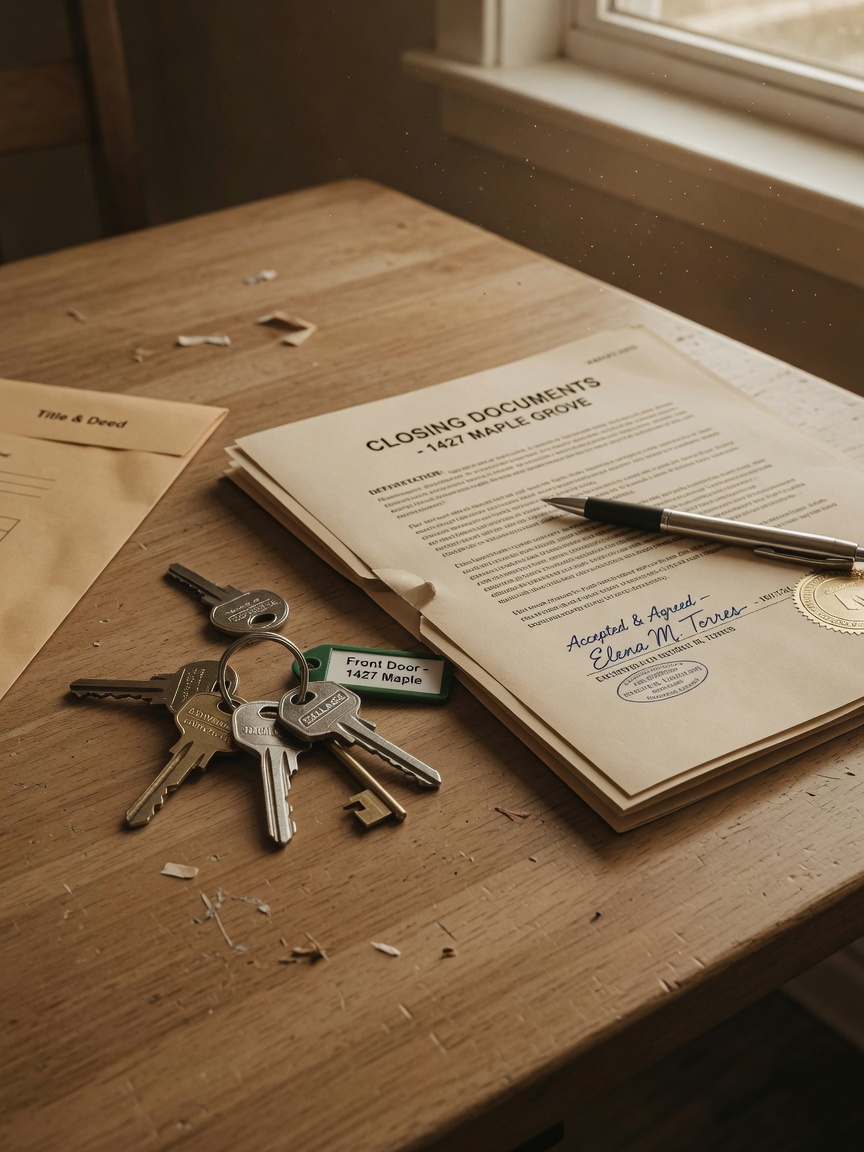
Real Estate Experience
I spent two years in residential real estate. The job was part transaction, part counseling: price, timing, and everything the client would not say out loud.
Real estate is a strange classroom. The stakes are the largest most people will ever sign for, the timelines are long, and the real objections almost never match the stated ones. "We need to think about it" can mean the price, the spouse, the commute, or a fear nobody has named yet. Learning to tell those apart was the education.
I eventually moved into marketing, but the habits came with me: listen first, document everything, and never assume the other side wants what you would want.

Negotiation
Whoever anchors first bends the whole conversation toward their number. Anchor with a reason attached, or the anchor reads as a wish.
State your position, then stop talking. The person who rushes to fill the silence usually pays for the privilege.
Payment schedule, timeline, inclusions, contingencies, and who moves first. Trade terms generously before you touch price at all.
Trust and Rapport
Trust accumulates in small deposits, long before any signature.
Show up on time. Return the call when you said you would. Say "I don't know, I'll find out" instead of improvising an answer. Boring habits, but buyers keep a ledger even when they don't know they're keeping one, and every kept promise is a deposit. One caught exaggeration empties the account. There's no dramatic secret here, which is exactly why so few people do it.

Human Behavior
People decide for reasons they often discover only afterward.
Once with you, and once with someone at home. Sell for the second conversation, because you won't be in the room for it.
Most objections are requests for a better reason to say yes. The buyer is asking you to help them defend the decision later.
Buyers move when the pain of staying finally outweighs the fear of switching. Features win comparisons. Relief wins decisions.
Persuasion
Persuasion, done properly, is clarification. Manipulation is engineered confusion. The difference is testable.
Persuasion helps someone see their own situation more clearly, then makes it easy to act on what they see. Manipulation works only while something stays hidden: a fee, a deadline that isn't real, an option they weren't shown.
Here's the test I use. Would this technique still work if the buyer knew exactly what I was doing and why? A well-framed comparison passes. Manufactured scarcity fails. "This unit fits your budget and here's the trade-off" passes. "Someone else is looking at it this afternoon" fails, and it fails twice, because they remember it at renewal.
Persuasion survives transparency. Manipulation dies in daylight. If a tactic needs the lights off, it isn't persuasion, whatever the training seminar called it.
Key Lessons
Stop pitching long enough and most buyers will hand you the exact map: what they fear, what they've tried, and what yes needs to look like.
Memory is a negotiation tactic. Paper is not. Write it down, send the recap, and watch how many disputes never happen.
Your dream feature is their dealbreaker. Their must-have never crossed your mind. Ask, because projection is expensive.
Get in touch
Leave a note below, or reach out directly. I reply when I can.
Sent
Thanks — I got your note.
I read everything that comes through here and reply when I can.